Installing a new air conditioning system is one of those home projects that looks straightforward on the surface and quickly becomes complex once permits, ductwork, and electrical capacity enter the conversation. If you live in Needham and want a dependable, efficient AC system without surprises, this checklist walks you through everything I wish every homeowner knew before the crews arrived. It blends practical trade experience, local realities, and plain talk about cost, timing, and choices.
Why this matters Hot afternoons in late July and rising utility bills make AC decisions urgent. A wrong-sized unit, poor ductwork, or a rushed install turns immediate comfort into months of callbacks and higher operating costs. Getting the installation right the first time saves money, avoids emergency AC repair near me calls in the middle of a heat wave, and extends the life of the equipment.
Know what you want before you call Start with clarity. Do you want whole-house central air, a ductless mini-split for a converted attic, or a heat pump that doubles as heating in shoulder seasons? Each choice carries trade-offs in upfront cost, efficiency, and installation complexity. Central systems shine when your home already has good ductwork. Ductless systems allow room-by-room control and avoid ductwork expenses, but they usually cost more per ton of cooling. Heat pumps have improved dramatically and can be very efficient in Needham’s climate for most of the heating season, though colder snaps may still require supplemental heat.
A local HVAC contractor matters Hire a licensed HVAC contractor who regularly works in Needham and surrounding towns. Local crews understand common house envelopes here, typical attic and basement access, and the town permitting process. Ask for examples of recent installs in Needham and for references you can actually call. Names matter, so if you see Green Energy AC Heating & Plumbing Repair on a few local jobs, that is useful information. Make sure the contractor provides a written estimate with model numbers, efficiency ratings, anticipated start and completion dates, and a clear breakdown of labor versus materials.
Sizing is technical, not guesswork The single most common mistake I see is sizing equipment by rule of thumb. Bigger is not better. Oversized units cool quickly but do not dehumidify properly, leaving rooms clammy despite low thermostat readings. Undersized units run constantly and wear out sooner. A proper Manual J load calculation accounts for square footage, insulation levels, window types, orientation, number of occupants, and local climate. Expect the load calculation to change recommended sizes by 10 to 20 percent from rough estimates. If a contractor balks at performing or sharing a Manual J, consider that a red flag.
Permits, codes, and scheduling Needham requires permits for new AC installations and significant HVAC work. Your contractor should pull permits and schedule inspections. Typical timelines vary, but plan for two to four weeks from signing the contract to final inspection during normal seasons. Busy schedules in summer can push that to six weeks. If you need an emergency solution, know that "emergency AC repair near me" will be more expensive and still sometimes limited to temporary fixes until a full install can be permitted and scheduled.

Electrical readiness and panel capacity Modern AC systems often require a dedicated 220/240 V circuit and significant amperage. Older homes in Needham commonly have older panels with limited spare capacity. Before signing a contract, get a licensed electrician to inspect your panel. Panel upgrades can add several hundred to a few thousand dollars and take a day or two to complete. Include this possibility in your budget and timeline.
Ductwork: the invisible variable Ductwork quality is the single biggest determinant of system performance, after correct sizing. Tight, insulated ducts in conditioned spaces deliver cooling efficiently. Leaky, undersized, or poorly routed ducts can waste 20 to 40 percent of a system’s output. During the pre-install visit, ask your contractor to inspect ducts for leaks, insulation, and proper sizing. Expect repairs or partial duct replacement in older homes. Sometimes adding a zoning system and dampers corrects uneven cooling without wholesale duct replacement, but that is not a universal solution.
Refrigerant type and efficiency ratings Look for SEER ratings on proposed units. Right now, most new residential units in the U.S. Should be at least SEER 14 to 16, but higher SEER units save more energy and often qualify for rebates. Ask what refrigerant the unit uses. Newer refrigerants are more environmentally friendly and may be required by current regulations. If your quote lists an efficient model with a higher SEER rating, calculate payback against your typical annual cooling load. Small houses with low usage will take longer to recoup premium equipment costs than larger, heavily used systems.
Thermostat and controls Do you want a basic programmable thermostat or a smart thermostat that learns usage patterns and offers remote control? Smart thermostats can cut energy use when used properly, but they are not a substitute for correct equipment sizing and ductwork. If you plan zones, make sure your installer sizes thermostats and sensors appropriately and explains how local temperature sensors affect compressor cycles.
The estimate should be transparent and itemized A professional estimate lists equipment make and model numbers, labor, permit fees, anticipated electrical work, ductwork repairs if any, refrigerant charge method, and warranty details for parts and labor. Beware of lowball bids that omit core items or assume ductwork is fine without inspection. Ask for a single-page summary for comparison and a longer narrative if you want details.

What the installer will do on day one and day two A good contractor will give you a short schedule and explain what to expect on each visit. Typical central AC installations take one to three days depending on the scope. Day one involves delivering equipment, modifying or installing duct connections, and making electrical preparations. Day two includes setting the condenser outside, making refrigerant connections, charging and balancing the system, running startup checks, and reviewing thermostat settings with you. If the job includes a heat pump or major duct changes, add a day or two.
Warranty, maintenance plan, and service response Equipment warranties often cover parts for 5 to 10 years, sometimes longer with factory registration. Labor warranties vary and are often much shorter. Ask specifically about compressor coverage, coil corrosion, and whether labor on warranty repairs is included. Also arrange a maintenance plan. Annual tune-ups catch refrigerant leaks, airflow restrictions, and electrical wear before they escalate. If you need rapid help, search emergency AC repair near me and make sure your contractor offers 24/7 response or has a dependable partner who does.
Two short lists that save decisions Below are two concise lists that clarify key pre-install checks and the documents you should receive. Keep these close when comparing contractors.
Pre-install checks to insist on
- Manual J load calculation, duct inspection, and electrical panel assessment. Clear start/finish dates and a permit plan. Model numbers, SEER rating, and refrigerant type. Written warranty details for parts and labor. Itemized estimate separating equipment, labor, and permits.
Documents you must get after installation
- Final invoice and permit sign-off. Equipment model numbers and serials with manufacturer warranty registration details. Checklist of tests performed and refrigerant charge verification. Maintenance schedule and recommended first service date. Contact info for emergency AC repair and for your HVAC contractor.
Money, trade-offs, and realistic budgeting Budgeting depends heavily on system type and house specifics. For a typical Needham single-family home converting to central AC, expect a wide range. A conservative estimate for a basic new central AC with minor duct repairs and electrical adjustments could be in the low thousands. A high-efficiency system with major ductwork overhaul, zoning, and a panel upgrade can push into the mid to high thousands. Heat pump retrofits often cost more than straight AC installs but reduce annual heating costs. If you are balancing price against long-term savings, get quotes for a standard-efficiency unit and a high-efficiency unit and ask for projected annual energy use based on your usage patterns.
What corners you can cut and what to never skip You can save by accepting a longer scheduling window, choosing a slightly lower SEER if your usage is low, or handling minor aesthetic finish work yourself. Do not skip the Manual J calculation, do not accept undocumented refrigerant lines, and do not hire a contractor who refuses to pull permits. Skipping those items saves money today and costs much more in callbacks, improper cooling, or failed inspections.
Typical installation pitfalls and how to avoid them Contractors sometimes assume access will be easy and quote accordingly. Narrow stairways, antique radiators, or tight yard space can add labor or require crane service. Ask about access and whether furniture moving or flooring protection is included. Insulation gaps in attics create thermal losses that reduce cooling performance; consider simultaneous attic sealing and insulation if your house is older than 1990. Finally, expect minor adjustments after the system runs for a few days: small duct balancing, thermostat recalibration, and airflow tweaks are normal.
Selecting the right HVAC contractor Interview at least three contractors. Ask for these specifics: proof of Massachusetts licensing and insurance, references for recent Needham installs, a written, itemized estimate, a clear warranty policy, and a walk-through of the site with identified potential complications. If a contractor sweeps the pre-install inspection or tries to provide a single flat price without details, walk away. If a vendor mentions Green Energy AC Heating & Plumbing Repair and you like what you hear, verify by checking their recent projects and reading reviews, but do not rely solely on name recognition.
After the install: what to watch for in the first 30 days During the first month, monitor two things: comfort and energy use. Comfort includes even temperatures between rooms and good humidity control. If some rooms stay warm while vents blow cold air into others, your system may need duct balancing or zoning adjustments. Energy use should show a clear change relative to previous summers; if your bill spikes dramatically, ask for a system audit. Keep an eye on outdoor unit vibration, odd noises, or ice on lines; these justify immediate service.
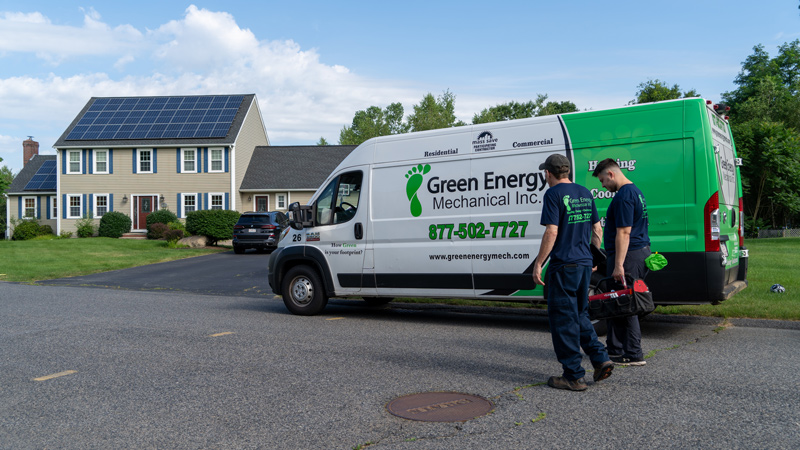
When repairs become emergency calls Even with a perfect install, failures happen. Recognize true emergencies: compressor failure in the middle of a heatwave, refrigerant leaks causing inadequate cooling, or electrical faults that trip breakers repeatedly. Have a local emergency AC repair contact and ask your installer whether they or a partner provide after-hours service. Remember, emergency calls typically incur premiums, so keep routine maintenance current to reduce the chance of sudden failure.
Sustainability and rebates Federal and state incentives shift regularly. Higher-SEER equipment and qualified heat pumps may be eligible for rebates or tax credits, and utilities sometimes run seasonal rebates. Ask your contractor about current local incentives and whether they will handle paperwork or documentation. Green Energy AC Heating & Plumbing Repair and other local firms often help customers pursue rebates, but confirm who files what and whether there are deadlines.
Final practical checklist before signing Walk through the property with your contractor to confirm proposed condenser placement, line set routing, vent locations, and any cosmetic work. Verify there is a written understanding about who removes packaging and construction debris. Confirm the payment schedule; a reasonable plan includes a deposit, a mid-job draw for major equipment delivery, and final payment after inspection and homeowner walkthrough.
Making a smart, long-lasting investment A good AC installation combines the right equipment, careful sizing, diligent duct and electrical work, and clear communications from a trustworthy HVAC contractor. Done properly, you get quiet, efficient cooling and fewer service calls. Done poorly, you get temporary relief and repeated expenses. Approach the project with a checklist, insist on documentation, and choose a contractor who explains trade-offs clearly, stands behind their work, and shows experience with Needham homes.
If you want help evaluating estimates or choosing between a central AC, ductless system, or heat pump, reach out to at least three local contractors, compare their Manual J results, and review warranty terms side by side. Good installation is not glamorous, but it pays dividends in comfort, https://greenenergymech.com/plumbing-electrical-hvac-services-needham-ma/ lower bills, and sanity on hot New England afternoons.
Green Energy AC Heating & Plumbing Repair
10 Oak St Unit 5, Needham, MA 02492
+1 (781) 776-9046
[email protected]
Website: https://greenenergymech.com